For National Homeless Youth Awareness Month, Kane County ROE Tells Families and Schools: Help Is Available, and Schools are Here to Help
New episode of The ROE Link explains who qualifies, what students are entitled to, and where educators and families can turn
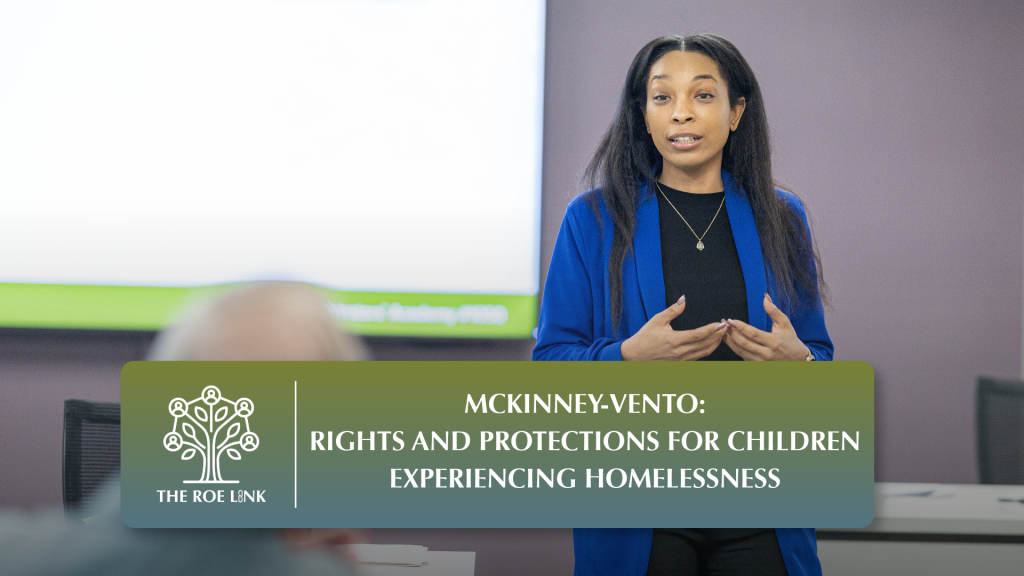
GENEVA, Ill. – A student may be staying in a motel, in a car, or with relatives because their family has lost housing, and schools are ready to help that student stay connected to their classmates, their teachers, and their learning. To mark November’s National Homeless Youth Awareness Month, the Kane County Regional Office of Education has released a video explaining what rights those students have and how to connect them with help.
Under the federal McKinney-Vento Act and the Illinois Education for Homeless Children Act, a child is considered to be experiencing homelessness if they lack a fixed, regular, and adequate nighttime residence. That includes children living with another family because they’ve lost housing, often called “doubled up”, as well as in motels, shelters, vehicles, or other qualifying accommodations.
Students experiencing homelessness have a right to immediate enrollment and to stay enrolled in the school they last attended, even if they’ve moved out of residency boundaries. Such students must also be provided transportation, have student fees waived, and are eligible for free school meals.
“Once a school understands what a family is going through, a liaison can help coordinate transportation, connect the family with resources, and make sure the student has meals and other support,” said De’Onna Clark, Kane County Regional McKinney-Vento Liaison. “Families don’t have to navigate everything alone, and the student has a better chance to focus on learning and just be a kid. Sometimes knowing who to call can make all the difference.”
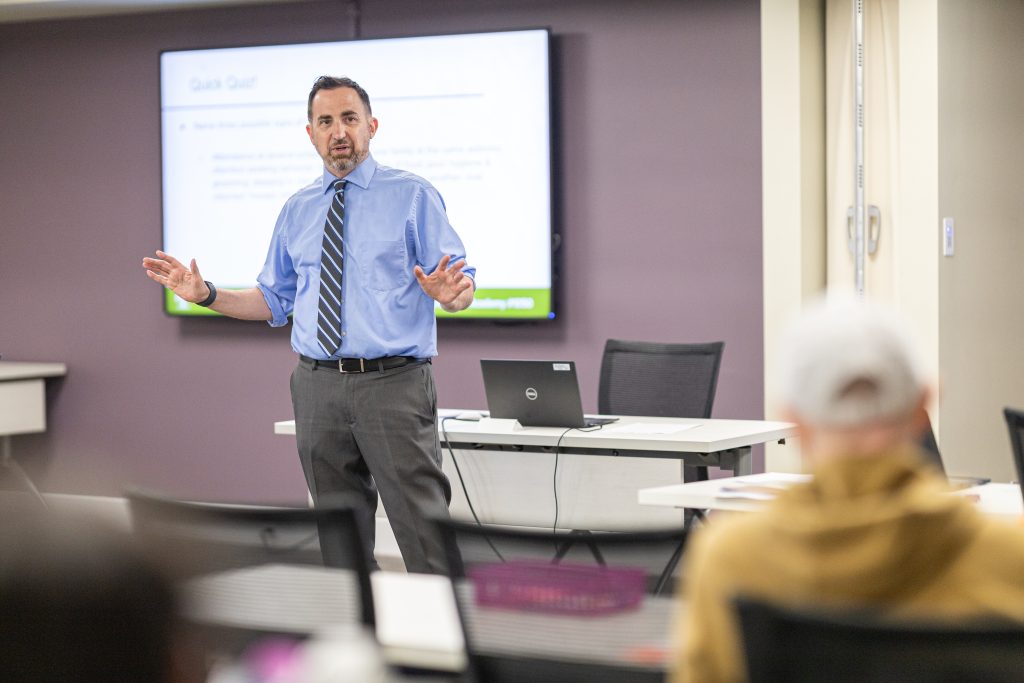

Every Kane County district has its own McKinney-Vento liaison. The ROE’s regional liaison works across the county through the Kane County Equal Chance Program, which trains school staff to recognize warning signs, helps districts review policies and complete required data reporting, and connects schools with shelters, social service agencies, and community groups.
“Early in my career I led residency checks, and I learned that an address on a form tells you very little about where a child slept last night. McKinney-Vento exists so that losing a home never means losing your school, your friends, or your teachers,” said John K. Jonak, Kane County Regional Superintendent of Schools. “If you think a student might qualify, don’t wait. Call your district liaison or our office, and let’s get that kid what they need.”
Educators and families can find district contacts, resources, and the ROE liaison’s contact information at kaneroe.org/homeless-education.
The ROE Link episode is available now at go.kaneroe.org/roe-link-mkv.